I Read the MPC Report So You Don’t Have To – March 2026 Edition
I Read the MPC Report So You Don’t Have To – March 2026 Edition
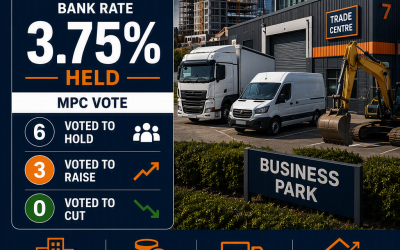
The Bank of England’s MPC has voted unanimously to keep Base Rate at 3.75 percent. On the surface this looks like a steady-as-she-goes decision. In reality, this month’s meeting was dominated by one thing. The escalating conflict in the Middle East and the shock it has sent through global energy markets.
Here is what is really going on and why the MPC chose to hold rates.
1. Why Base Rate Stayed Put
Every single committee member voted to hold. Not because they suddenly love 3.75 percent, but because:
The UK has just been hit by a new external supply shock.
- Oil prices are up about 60 percent since February and now sit above 100 dollars a barrel.
- European gas prices are also up 60 percent.
- The Strait of Hormuz is effectively closed to shipping. This is disrupting around one fifth of the world’s oil and LNG supply.
The MPC cannot control global energy prices. But it must control what happens after those prices feed into the UK economy. That means watching carefully for second round effects in wages and price-setting.
In short. You do not cut rates in the middle of a new inflation shock. But you also do not hike when the economy is already weak. So they chose the middle path. Hold.
2. What the Committee Is Most Worried About
The MPC sees two big risks, pulling in opposite directions.
Inflation risks
Energy is heading higher. Gas futures for the July to September price cap are up 35 to 40 percent. CPI could rise back to around 3.5 percent over the summer.
The danger is that:
- households become more sensitive to inflation again
- businesses start passing on energy costs
- wage settlements creep up (Agents now expect 3.6 percent pay rises in 2026)
Several members specifically flagged the risk of inflation persistence.
Economic slowdown risks
At the same time, the UK economy is hardly booming.
- GDP is growing at just 0.1 to 0.2 percent a quarter
- unemployment is drifting higher
- labour demand is soft
- consumer confidence could fall further as bills rise
In other words, higher energy costs could hit demand hard. This opens up more slack in the economy, which normally reduces inflation pressure.
The MPC is now having to balance these competing risks in real time.
3. What Happens Next
The decisive line from the minutes is this.
The next six weeks will tell them a lot.
If the conflict is short lived and energy prices stabilise, some members openly signalled they might cut rates later in the year.
If the conflict drags on and energy prices stay high or spike further, some members have said they might even consider a hike.
That means the April and May data will be crucial. Fuel prices. Gas markets. Pay settlements. Inflation expectations. Consumer demand.
Right now the MPC is keeping its options wide open.
4. Where the Committee Members Stand
Although they all voted the same way their underlying positions differ.
- Breeden, Ramsden and Taylor say they would likely have cut today if the conflict had not happened.
- Mann and Pill are more concerned about inflation persistence and are leaning slightly more hawkish.
- Dhingra sets out two clear scenarios. A mild shock where rate cuts resume. Or a severe shock that could force a hold or even a rise.
- Bailey and Greene emphasise the danger that households react strongly to yet another inflation shock.
There is no single MPC “direction of travel” right now. Everything depends on the path of energy prices.
5. The Simple Takeaway
The MPC is on pause while it assesses the scale of a new energy price shock. Rates stay at 3.75 percent for now. The next move could still be a cut or a hike. It all rests on how long the Middle East conflict lasts and how badly it disrupts oil and gas supply.
For now This is a holding pattern. Not a turning point.